 For Indian Market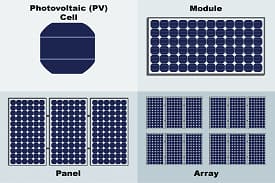
Solar Panels / Cells, Solar Photovoltaic Panels / Cells / Modules
Product category :
Energy Consuming Appliances, Electrical and Electronic Equipment
Applicable Compliances :

.webp&w=96&q=75)
Check Your Eligibility 
See how much effort you'll need for your certification journey.
Download GuideBook
Get the knowledge about the process , required documents & timelines about the certifications
Required Certification for Solar Panels / Cells, Solar Photovoltaic Panels / Cells / Modules
Solar Panels / Modules for the Indian Market: An Insight
Solar Photovoltaic (PV) systems are an effective way to harness solar energy and convert it into electricity for residential, commercial, and industrial use. These systems are widely used to reduce dependence on traditional energy sources and lower electricity bills. Manufacturers and suppliers of Solar PV systems have to get EPRA for CEEW14 under e-waste regulations. Additionally, obtaining BEE Registration for Solar Photovoltaic systems under Schedule 35 is a key step to demonstrating energy efficiency and reliability for both manufacturers and businesses. With rooftop and solar projects spreading fast across India, solar panels and cells are now driving nearly 20–25% of clean energy equipment demand, and their buying pace is jumping by around 15–18% every year as businesses shift to approved renewable solutions.
Key Highlights
| Product name | Solar Panels / Cells, Solar Photovoltaic Panels / Cells / Modules |
| Applicable certification | EPR Certification for Electronics, BEE Registration (Star Marking Label) |
| Applicable Indian Standard | CEEW14, Schedule 35 |
| Compliance Requirement | Mandatory |
| Certificate issued by the Ministry | The Ministry of Power |
What are the Required Certifications for Solar Panels / Modules to sell in India?
Solar Panels / Cells, Solar Photovoltaic Panels / Cells / Modules must obtain an EPR certification for electronics and BEE registration (Star marking label) before they can be sold in India. Let’s understand the complete process, documentation, and essential requirements for making them eligible in the Indian market.
1. EPR Certification for Electronics for Solar Panels / Modules
In India, manufacturers and importers of solar photovoltaic products are required to get compulsory certifications to guarantee that the product is safe, fit, and environmentally friendly. Different solar modules, under the E-Waste Management Rules, 2022, require an EPR license. Conformance with the CEEW14 and obtaining an EPR certificate, mandatory for solar panels to sell in India, makes producers responsible when it comes to the collection, recycling, and adequate disposal of electronic waste made out of solar PV products. Such certifications not only facilitate environmental sustainability but also ensure that the booming renewable energy industry can be regulatory compliant and trusted by consumers.
What will happen if you sell or import PV Modules or panels without an EPR registration in India? Read here.
2. BEE Registration (Star Marking Label) for Solar Panels / Modules
In India, certification in the Bureau of Energy Efficiency (BEE) must be done before the sale of solar photovoltaic (PV) modules. BEE certification is provided under the Standards & Labeling Programme, as it guarantees that the solar PV products meet the stipulated energy efficiency and performance requirements. This not only improves the quality of the products but also helps in conserving energy in the country. Manufacturers are required to register their products and have them tested for performance by recognized laboratories. The Indian market requires conformance to Schedule 35 and getting a BEE certificate, mandatory for solar panels to sell in India, in order to protect the consumers and encourage the use of reliable technologies.
What will happen if you don’t get a BEE Star Rating certificate before selling the solar panels/modules in India? Read here in detail.
How to get the Certification for Solar PV Panels in the Indian Market?
1. EPR Certification for Electronics
Documents for EPR Registration for Solar Panels / Modules
To apply for EPR Authorization, manufacturers and importers planning to sell electronic appliances in the Indian market must arrange specific documents in advance. Proper documentation ensures a seamless compliance process, avoiding last-minute issues:

- Basic documents related to the Firm / Company
- Details of the authorised signatory
- Product details and specifications
- Plans and flowcharts for the collection and recycling of Electronics
- CTE/CTO consents, Agreement copies
Process to Get an EPR Certification for Solar Panels / Modules
Below is a comprehensive guide to obtaining an EPR Authorization. Timely adherence to EPR regulations helps avoid legal complications, environmental penalties, and import restrictions:

- Prepare documents
- Submit application
- Review and verification
- Grant of Certification
2. BEE Registration (Star Marking Label)
Documents for BEE Certificate (Star Marking Label) for Solar Panels / Modules
To apply for BEE registration, specific documents must be arranged in advance by manufacturers and importers intending to access the Indian market. Proper documentation ensures a seamless certification journey, avoiding last-minute issues and aligning with official requirements:

- Trademark / Brand Registration Certificate
- Details of the brand owner/manufacturer
- Details about the products
- Lab test reports of the product
- Appointment of AIR (Authorized Indian Representative) in case you are a foreign manufacturer
Note: You can appoint Brand Liaison as your AIR
Process to get a BEE Registration (Star Marking Label) for Solar Panels / Modules
Below is a comprehensive guide to obtaining a BEE registration. By adhering to the outlined steps, manufacturers, importers, and sellers can effectively ensure compliance and secure a competitive advantage:

- Prepare documents
- Test products
- Submit an application for brand registration
- Submit an application for model registration
Guidelines for EPR Certification for Solar Panels / Modules
Guidelines for Producer (Importers)
- Must obtain mandatory EPR registration from the Central Pollution Control Board before selling or importing products.
- Fulfill e-waste collection and recycling targets as per CPCB norms.
- Ensure compliance through authorized recyclers and maintain records with annual return filing.
Guidelines for Recycler
- Must have authorization from CPCB/SPCB to operate.
- Follow E-Waste Management Rules and CPCB guidelines for recycling.
- Issue recycling certificates and maintain records with annual returns.
Guidelines for Refurbisher
- Registration and authorization from CPCB/SPCB are mandatory.
- Carry out refurbishing as per E-Waste Management Rules and CPCB guidelines.
- Maintain records and file annual returns on the CPCB portal.
Guidelines for Manufacturer
- EPR registration on the CPCB portal is mandatory before manufacturing.
- Meet e-waste collection and recycling targets set by CPCB.
- Ensure compliance through authorized recyclers and maintain records with annual filings.
Get your EPR Certification for electronics smoothly with expert support from Brand Liaison.
Certification Guidelines for BEE for Indian Manufacturers
- Ensure products meet energy efficiency standards set by the Bureau of Energy Efficiency.
- Have a valid brand/trademark certificate before applying.
- Conduct testing in NABL-accredited labs and follow correct star labelling guidelines.
- Stay updated with BEE requirements and changes.
Certification Guidelines for BEE for Foreign Manufacturers
- Must appoint an Authorized Indian Representative (AIR).
- Ensure products comply with Indian energy efficiency standards.
- Prepare test reports and required documents from recognized labs.
- Apply through the BEE portal and obtain certification before sale.
Need complete knowledge about the certification? Click to view the complete guidebook for a BEE license.
Certification Guidelines for BEE for Indian Importers
- Ensure the product falls under mandatory BEE registration.
- Get testing done in NABL-accredited labs.
- Use correct BEE star labelling and complete portal registration.
- Can appoint AIR for coordination if required.
Certification Guidelines for BEE for the Trader
- Ensure products meet BEE registration requirements.
- Conduct testing through NABL-accredited labs.
- Follow proper star labelling guidelines and complete registration.
- Can appoint AIR for coordination with authorities.
Certification Guidelines for BEE for Online Sellers
- Not eligible to apply directly; only manufacturers can obtain BEE certification.
- Must obtain the certificate copy from the manufacturer.
- Required for compliance on e-commerce platforms.
How Does Brand Liaison Assist Businesses in Obtaining Seamless Compliance?
- Professional Consultant: Brand Liaison provides complete information on the certification process to impact improvement in business with ease.
- Total Documentation Facility: Helps in preparing and going through the correct and comprehensive documents needed to obtain the various certification services.
- Time and Cost-effectiveness: They are time and cost-effective methods of certification, as they offer minimal delay in the approval of businesses.
- Indian foreign manufacturers: We have been in this business now for many years and presently provide various standard certification services in India and for International Brands.
Stay compliant, stay ahead in the market! Contact Brand Liaison for a smooth BEE Registration and EPRA compliance journey.
Source of Data Insights for BEE :- https://beestarlabel.com/
Source of Data Insights for EPR Electronic :- https://eprewaste.cpcb.gov.in/#/notified
FAQs
In which category of BEE do the solar photovoltaic modules fall?
Is it compulsory to certify solar PV modules with BEE in India?
How long is the validity of the BEE certification for solar PV?
Does a solar PV module need to be registered with EPR?
Can I import solar cells without an EPR certificate in India?
Check Your Eligibility
See how much effort you'll need for your certification journey.
Download GuideBook
Get the knowledge about the process , required documents & timelines about the certifications
Other certifications you may need
.webp&w=256&q=75)
Testimonials
What our client says

Brand Liaison is a trusted partner for all our certification needs. Their expert team made the complicated compliance process simple and stress-free. Professional, reliable, and highly efficient.

Sylvester Adams

Our experience with Brand Liaison has been outstanding. From start to finish, their consultants managed everything with precision. The professionalism and expertise of their team are truly commendable.

Pratibha Mukhija

Brand Liaison has an excellent team of experts who know the compliance field inside out. Their commitment, transparency, and professional service make them stand out from others.

Ashish Banerjee

We were struggling with BIS certification until we connected with Brand Liaison. Their knowledgeable team guided us with accuracy and patience. Excellent service and very professional staff.

Christina Gomez

The expertise of Brand Liaison’s consultants is evident in how quickly and efficiently they work. They saved us time, effort, and unnecessary stress. Highly recommended for compliance services.

Varun Shukla

What impressed us most about Brand Liaison is their professional approach and in-depth knowledge. The team is always available to answer queries and provide reliable guidance throughout the process.

Sanchi Gupta

We trusted Brand Liaison with our BEE certification, and they delivered perfectly. Their expert handling of documentation and testing was seamless. A great team with unmatched professionalism.

George Jacob

Brand Liaison made the entire certification process smooth and simple. Their team explained every step clearly and handled all requirements with complete professionalism. Truly experts in their field.








