For Indian Market
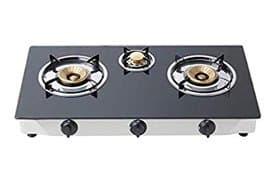
Domestic Liquefied Petroleum Gas(LPG) Stoves
Product category :
Domestic Gas Stoves for use with Liquefied Petroleum Gases, Energy Consuming Appliances
Applicable Compliances :


Check Your Eligibility 
See how much effort you'll need for your certification journey.
Download GuideBook
Get the knowledge about the process , required documents & timelines about the certifications
Required Certifications for Domestic Liquefied Petroleum Gas (LPG) Stoves
Domestic LPG Stoves for the Indian Market: An Insight
Domestic LPG stoves are one of the most widely used kitchen appliances in all major countries, including India, especially due to the wider availability and easy accessibility of liquefied petroleum gas. It is proven to be a cleaner and more efficient fuel for cooking as compared to traditional fuels like kerosene. In India’s household appliance space, LPG stoves continue to record about 4–6% market growth per year, while demand has stayed resilient over the last few years. Both BIS Certification and BEE registration are important for the sale of LPG stoves in the Indian market, as the manufacturers and producers have to strictly adhere to the set standards by eminent institutions like the Bureau of Indian Standards (BIS) and the Bureau of Energy Efficiency (BEE). Conformance with IS 4246:2002 (BIS Certification) and schedule 9 (BEE Registration) is therefore important.
Key Highlights
| Product name | Domestic Liquefied Petroleum Gas(LPG) Stoves |
| Applicable certification | BEE Registration (Star Marking Label) , BIS ISI Certification |
| Applicable Indian Standard | The Schedule 9 , IS-4246:2002 |
| Compliance Requirement | Mandatory |
| Certificate issued by the Ministry | The Ministry of Power The Ministry of Consumer Affairs, Food and Public Distribution |
What are the required certifications for Domestic LPG Stoves in the Indian Market?
Domestic LPG Stoves in India must comply with both BEE Registration for energy efficiency and BIS ISI Certification for safety and performance standards. These certifications ensure the stoves operate safely, consume fuel efficiently, and meet national quality norms. Now, let’s explore these certifications in detail and understand how Brand Liaison helps manufacturers achieve smooth, accurate, and hassle-free compliance for the Indian market.
1. BEE Registration (Star Marking) for Domestic Liquefied Petroleum Gas (LPG) Stoves
In India, the Bureau of Energy Efficiency (BEE) develops standards of energy efficiency of domestic LPG stoves. The manufacture of these stoves is required to be registered under the program BEE to be able to legally sell the stoves in India. This project is supposed to conserve energy and guarantee the operability and safety of the gas cookers. Goods will be rated with stars depending on the thermal efficiency to facilitate better consumer decision-making. The manufacturers have to have their goods tested in the BEE-certified laboratories and register by applying under the Standards & Labeling Programme. A manufacturer is not allowed to sell or market LPG stoves without a BEE certificate mandatory for Domestic Liquefied Petroleum Gas (LPG) Stoves to sell in India, and failure to be compliant is liable to penalties under the Energy Conservation Act.
What will happen if you don’t take a BEE Registration before selling these in India? Read here.
2. ISI Mark Certification for Domestic Liquefied Petroleum Gas (LPG) Stoves
In India, LPG stoves manufactured and used domestically are required to be of Bureau of Indian Standards (BIS) certification through the Indian Standard Institution (ISI) marking scheme, which aims at guaranteeing consumer safety, as well as the reliability of the products. The standard addressed is the IS 4246, which discusses the safety, performance, and quality of these stoves. All Manufacturers have to get their LPG stoves BIS certified before being able to sell or distribute them in the Indian market. This is used to verify that the product is tried and tested in licensed BIS labs and that it attains the required safety standards. These non-certified stoves are illegal to sell and usually lead to consequences according to the BIS Act, 2016. BIS ISI certificate mandatory for Domestic Liquefied Petroleum Gas (LPG) Stoves to sell it in India certifies the consumers that the stove is reliable, safe, well-made, and also that it is in compliance with the norms of the Indian regulations.
What are the consequences of not obtaining a BIS license for these products? Know complete details here.
How to get the Certification for Domestic LPG Stoves to sell in India?
1. BEE Registration (Star Marking Label)
Documents for a BEE Certificate for Domestic Liquefied Petroleum Gas (LPG) Stoves
To obtain BEE registration for products, manufacturers and importers have to prepare specific documents in advance to ensure smooth entry into the Indian market. The list below underlines the required paperwork to support the BEE Registration Process:

- Trademark / Brand Registration Certificate
- Details of the brand owner/manufacturer
- Details about the products
- Lab test reports of the product
- Appointment of AIR (Authorized Indian Representative) in case you are a foreign manufacturer
Note: You can appoint Brand Liaison as your AIR
Process for BEE License for a Domestic Liquefied Petroleum Gas (LPG) Stove
Here is a comprehensive observation of the process for obtaining BEE registration. Following these steps is crucial to obtain a BEE Registration certificate in the Indian market:

- Prepare documents
- Test products
- Submit an application for brand registration
- Submit an application for model registration
2. BIS ISI Certification
Required Documents for BIS ISI License for Domestic Liquefied Petroleum Gas (LPG) Stoves
To apply for BIS ISI certification, specific documents must be arranged in advance by manufacturers and importers intending to access the Indian market. These documents serve as the foundation for verifying product compliance with Indian safety standards and regulatory norms:

- Legal address proofs of the factories
- Product specification
- Details of raw material, machinery, and testing equipments
- Details of QC Staff and other basic details of the factory
- Lab test reports of the product
- Main Application Form V
- ISI Application Fee
- Appointment of AIR (Authorized Indian Representative) in case you are a foreign manufacturer
Process to Get a BIS Certification for Domestic Liquefied Petroleum Gas (LPG) Stoves
Below is a comprehensive guide to obtaining a BIS/ISI certification. It's important to understand that the certification process varies slightly for foreign and domestic manufacturers:

- Prepare Documents
- Submit Application
- Factory Inspections by BIS Officials
- Product Testing
Certification Guidelines for Indian Manufacturers
1. BEE Registration (Star Marking Label)
- Ensure products meet energy efficiency standards set by the Bureau of Energy Efficiency.
- Have a valid brand/trademark certificate before applying.
- Conduct testing in NABL-accredited labs and follow correct star labelling guidelines.
- Stay updated with BEE requirements and changes.
2. BIS ISI Certification
- Must have proper manufacturing and testing capabilities for the product.
- Apply through the BIS Manak portal with all required documents.
- Product samples are tested in a BIS-accredited lab.
- License is granted if test results and documents meet the Indian standards set by the Bureau of Indian Standards.
Certification Guidelines for Foreign Manufacturers
1. BEE Registration (Star Marking Label)
- Ensure the product falls under mandatory BEE registration.
- Get testing done in NABL-accredited labs.
- Use correct BEE star labelling and complete portal registration.
- Can appoint AIR for coordination if required.
2. BIS ISI Certification
- Must appoint an Authorized Indian Representative (AIR) as per BIS guidelines.
- Submit application with Factory Test Report (FTR).
- BIS conducts factory inspection and selects samples for testing.
- A license is issued after successful testing and compliance with standards.
Need complete knowledge about the certification? Click to view the complete guidebook.
Certification Guidelines for Indian Importers
1. BEE Registration (Star Marking Label)
- Ensure the product falls under mandatory BEE registration.
- Get testing done in NABL-accredited labs.
- Use correct BEE star labelling and complete portal registration.
- Can appoint AIR for coordination if required.
2. BIS ISI Certification
- Not eligible to apply directly; only manufacturers can obtain BIS ISI certification.
- Must coordinate with the manufacturer to get the certificate.
- Keep a copy of the license to avoid customs issues.
- Can act as AIR if authorized by the manufacturer.
Certification Guidelines for Traders
1. BEE Registration (Star Marking Label)
- Ensure products meet BEE registration requirements.
- Conduct testing through NABL-accredited labs.
- Follow proper star labelling guidelines and complete registration.
- Can appoint AIR for coordination with authorities.
2. BIS ISI Certification
- Cannot apply for BIS ISI certification directly.
- Certification must be obtained by the manufacturer.
- Maintain a copy of the license for compliance.
- Can act as AIR if authorized.
Certification Guidelines for Online Sellers
1. BEE Registration (Star Marking Label)
- Not eligible to apply directly; only manufacturers can obtain BEE certification.
- Must obtain the certificate copy from the manufacturer.
- Required for compliance on e-commerce platforms.
2. BIS ISI Certification
- Not eligible to apply directly; only original manufacturers can apply.
- Must obtain the BIS ISI certificate copy from the manufacturer.
- Required to present certification for e-commerce compliance.
Visit here to check your eligibility for domestic LPG Stoves for the Indian market now!
How Brand Liaison Assists Businesses in Obtaining Seamless Compliance?
- Brand Liaison: Provides end-to-end services on BEE/BIS certification process, thus making it easier to cope with the complex procedures of regulatory compliance by businesses.
- Practicing BEE Mark Consultant: The team specializes in BEE/BIS mark certification and makes sure that your products fulfill the Indian standards.
- Full Documentation Support: Facilitates the preparation, review, and transmission of correct and complete documents that are required.
- Time and Cost-Efficiency: Their lean process reduces the time wasted and aids in turning around the production of businesses that need certification in the shortest period and at the lowest cost.
- Indian & Foreign Manufacturers Support: Brand Liaison, being a leading consultant, offers tailored, specific support to the company, whether a domestic or international brand, to get the desired certification to suit the specific needs.
Brand Liaison can be your ultimate guide to understanding the complexities of Indian market regulations and will help you attain the necessary compliance for the same.
Source of Data Insights for BIS ISI Mark :- https://www.bis.gov.in/product-certification/products-under-compulsory-certification/scheme-i-mark-scheme/?lang=en
Source of Data Insights for BEE :- https://beestarlabel.com/
FAQs
What is the IS code for LPG stoves?
Is BIS certification mandatory for LPG stoves?
Do LPG stoves need a BEE star label?
What if I sell LPG stoves without BIS certification?
Check Your Eligibility
See how much effort you'll need for your certification journey.
Download GuideBook
Get the knowledge about the process , required documents & timelines about the certifications
Other certifications you may need


Testimonials
What our client says

Brand Liaison is a trusted partner for all our certification needs. Their expert team made the complicated compliance process simple and stress-free. Professional, reliable, and highly efficient.

Sylvester Adams

Our experience with Brand Liaison has been outstanding. From start to finish, their consultants managed everything with precision. The professionalism and expertise of their team are truly commendable.

Pratibha Mukhija

Brand Liaison has an excellent team of experts who know the compliance field inside out. Their commitment, transparency, and professional service make them stand out from others.

Ashish Banerjee

We were struggling with BIS certification until we connected with Brand Liaison. Their knowledgeable team guided us with accuracy and patience. Excellent service and very professional staff.

Christina Gomez

The expertise of Brand Liaison’s consultants is evident in how quickly and efficiently they work. They saved us time, effort, and unnecessary stress. Highly recommended for compliance services.

Varun Shukla

What impressed us most about Brand Liaison is their professional approach and in-depth knowledge. The team is always available to answer queries and provide reliable guidance throughout the process.

Sanchi Gupta

We trusted Brand Liaison with our BEE certification, and they delivered perfectly. Their expert handling of documentation and testing was seamless. A great team with unmatched professionalism.

George Jacob

Brand Liaison made the entire certification process smooth and simple. Their team explained every step clearly and handled all requirements with complete professionalism. Truly experts in their field.